Venezia

Client: AAST (Azienda Autonoma di Soggiorno e Turismo del Molise)
The EFINTIS project (“Enhancing Efficiency of the Intermodal Transport Flows by Improved ICT Systems”) is a European initiative aimed at improving the efficiency of intermodal transport flows in the Adriatic-Ionian area (Italy, Albania, Montenegro).
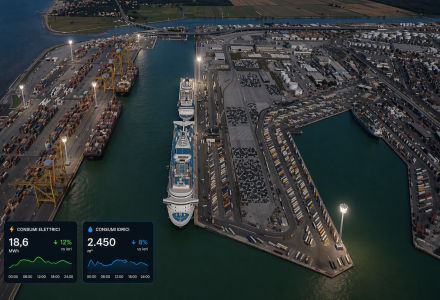
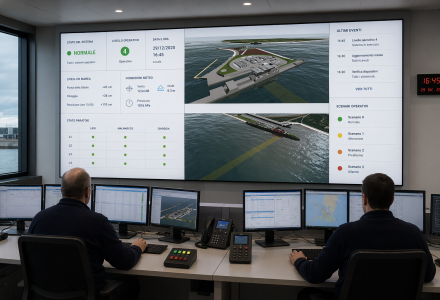
Within the framework of the project, DBA developed a pilot system for integrated environmental monitoring and port flow management, designed to support the digitalization of processes and the exchange of information between ports and logistics operators.
This initiative represents a strategic building block to:
The pilot system is an advanced software platform based on a microservices architecture, designed for the integrated management of port and environmental data. Its main functionalities include:
The platform is designed to integrate additional data sources and interoperate with systems from other ports involved in the project, ensuring an open, scalable, and cooperation-oriented digital ecosystem at European level.
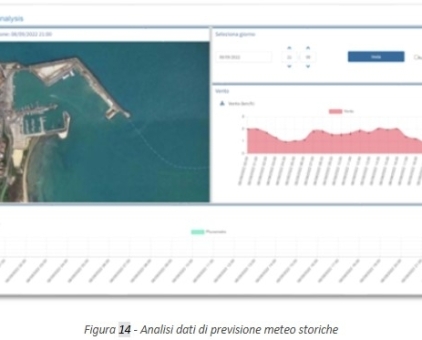
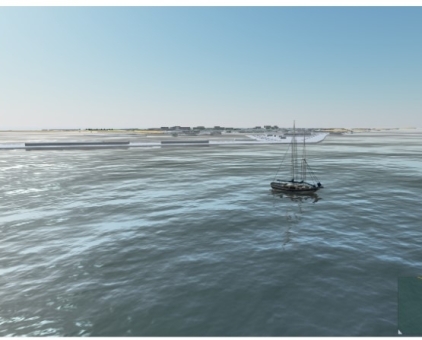
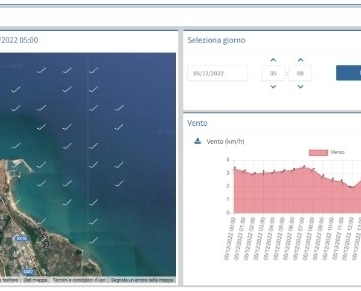
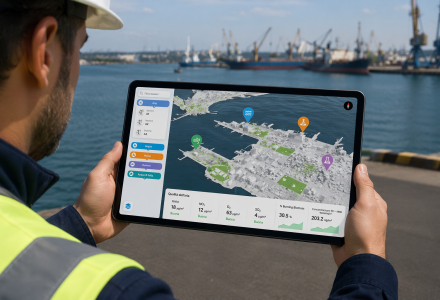
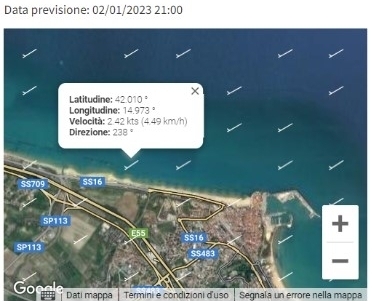
The system integrates heterogeneous data sources, including IoT sensors, AIS, port systems, and meteorological databases, through a microservices-based software architecture using MQTT/REST technologies, Web APIs, and machine-to-machine interfaces. It includes Big Data analytics tools, predictive modelling, and a 3D port digital twin with georeferenced visualization and real-time representation of operations and environmental conditions.
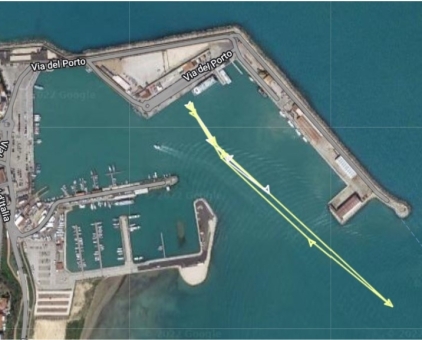
The solution is designed to support complex scenarios such as maritime traffic monitoring, environmental impact management, and potential spill events, providing advanced predictive analytics and decision-support tools.
Interoperability with platforms from other ports and European projects, combined with high requirements in terms of scalability, reliability, and data security, also enables a solid technological foundation for future developments in the smart port domain.
Benefits / results:
DBA was responsible for the analysis of port processes and the definition of the platform’s functional requirements, as well as for the integration of data from environmental sensors, databases, and port information systems. It also developed functionalities dedicated to maritime traffic monitoring and environmental analysis, supporting testing and validation activities of the system together with the involved port stakeholders.